Islamabad Court Bomb Blast: 12 Killed, Dozens Injured in Pakistan’s Capital
Islamabad, November 11, 2025:
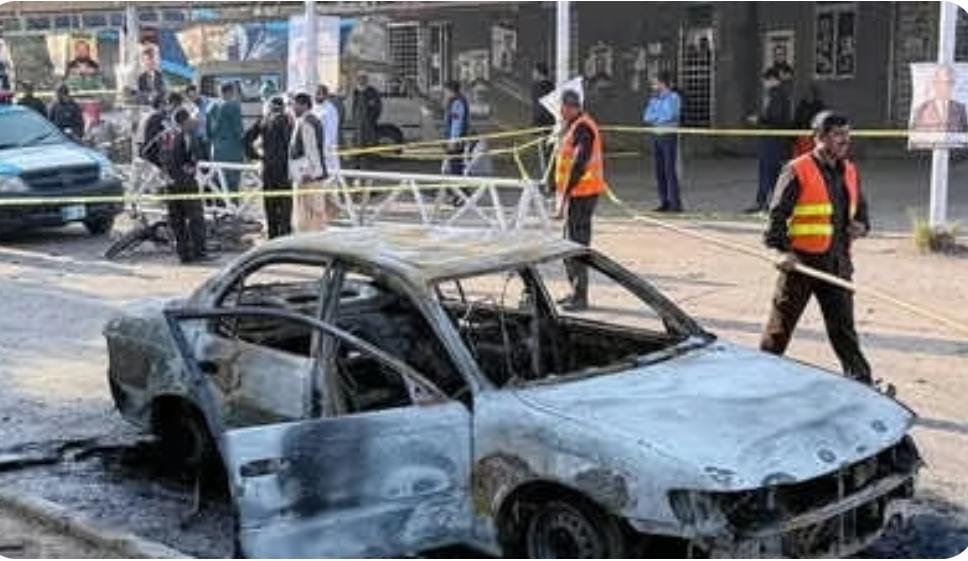
A powerful suicide blast ripped through Pakistan’s capital on Tuesday afternoon, killing at least 12 people and injuring over 36 others outside the District and Sessions Court Complex in the G-11 sector of Islamabad. The explosion, which occurred around 12:39 PM local time, sent shockwaves across the city and has once again raised questions about the country’s internal security and intelligence preparedness.
The Incident
According to Islamabad police officials, the attacker attempted to enter the court premises but was stopped by security personnel stationed near the main entrance. Unable to gain access, the bomber detonated the explosives near a police vehicle parked outside the gate, triggering a massive explosion that shattered windows, damaged vehicles, and caused panic among court staff and visitors.
Eyewitnesses reported scenes of chaos immediately after the blast. “I heard a deafening sound and saw people running everywhere. There was smoke, debris, and screams for help,” said Ali Raza, a local lawyer who was present at the court when the explosion occurred. Ambulances rushed to the scene within minutes, and security forces cordoned off the area.
Casualties and Damage
Emergency officials confirmed that 12 people, including two police officers and a woman, lost their lives in the attack. Around 36 others sustained injuries, many of them critically. The injured were transported to the Pakistan Institute of Medical Sciences (PIMS) and other nearby hospitals, where emergency wards were placed on high alert.
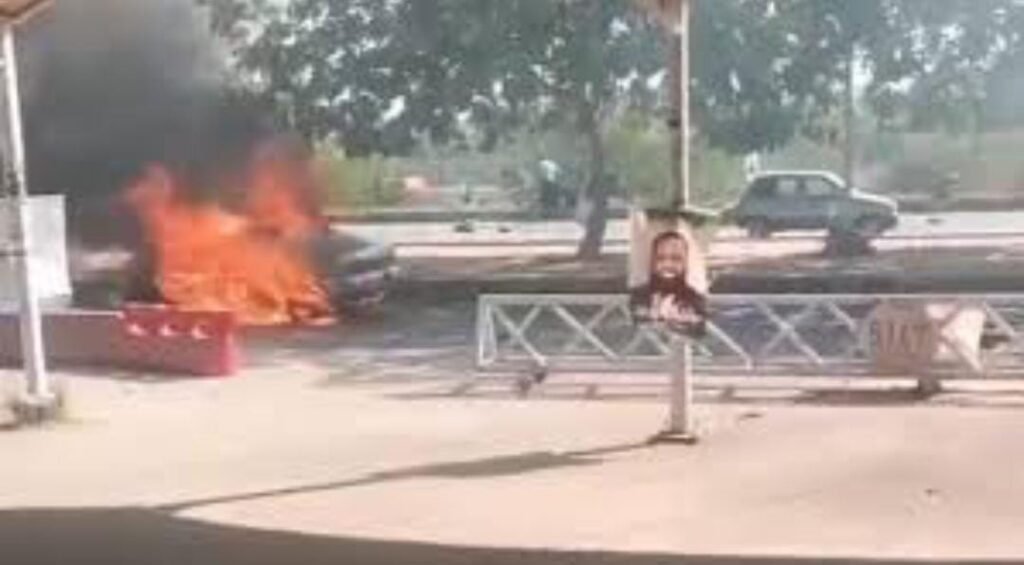
Rescue teams reported significant property damage in the vicinity, including shattered cars, motorcycles, and broken windows of nearby shops. The force of the explosion was such that it was heard several kilometers away, shaking nearby buildings and causing fear among residents.
Investigation and Responsibility
While no militant group immediately claimed responsibility, preliminary intelligence reports suggest the involvement of extremist elements possibly linked to the Tehreek-e-Taliban Pakistan (TTP) or its affiliates. Interior Minister Mohsin Naqvi confirmed in a press briefing that the explosion was a suicide bombing, stating, “The bomber was on foot and attempted to breach the security barrier. When stopped, he detonated the explosives attached to his body.”
Naqvi further hinted at “foreign involvement” in orchestrating the attack, suggesting that external networks may have aided the perpetrators. “This was not a random act of terror. It appears to be a well-planned operation aimed at destabilizing the capital,” he said.
Government and Political Reactions
Prime Minister Shehbaz Sharif strongly condemned the attack, calling it “a cowardly act of terrorism targeting the justice system of Pakistan.” In a statement issued shortly after the blast, he said, “Those behind this heinous act will be brought to justice. We will not allow enemies of peace to succeed in their designs.”
Defense Minister Khawaja Asif described the incident as part of an ongoing hybrid warfare campaign against Pakistan. “Our enemies are using terrorism as a tool to weaken our resolve. The state will respond with full force,” he declared.
The Pakistani Army’s media wing, ISPR, also released a statement expressing solidarity with the victims and assuring “firm resolve to eliminate terrorism from every corner of the country.”
Security Measures Intensified
Following the blast, the Islamabad administration imposed red alert security status across key locations, including government buildings, the Supreme Court, and diplomatic enclaves. All major entry and exit routes of the city were sealed temporarily, while security forces conducted search operations in nearby localities to trace any accomplices of the attacker.
Additional checkpoints have been established across the capital, and intelligence agencies have been tasked with identifying potential threats to other sensitive installations. Police sources indicated that at least three suspects have been taken into custody for questioning.
International Response
Condemnations poured in from neighboring and global capitals. The United Nations, United States, and European Union expressed sorrow over the loss of innocent lives and reiterated support for Pakistan’s fight against terrorism.
India’s Ministry of External Affairs issued a brief statement extending condolences but dismissed allegations from Islamabad suggesting any cross-border involvement. “India categorically rejects unfounded and irresponsible accusations made by Pakistan,” the statement read.
A Symbolic Attack
Analysts describe the bombing as a symbolic strike at the heart of Pakistan’s judicial system. The court complex, being a center of legal proceedings and public justice, represents the state’s authority and stability. Targeting such an institution indicates a strategic intent to undermine public confidence and create an atmosphere of fear within the capital.
Security experts warn that the attack could signify a renewed wave of terrorism aimed at destabilizing major urban centers. “Islamabad has remained relatively secure in recent years, but this bombing exposes gaps in urban surveillance and intelligence coordination,” said Dr. Amir Rana, a senior counterterrorism analyst.
Ongoing Investigation
Authorities have recovered parts of the bomber’s body and evidence from the blast site, including metallic fragments and components of the explosive device. Forensic teams are analyzing these materials to determine the type and origin of the explosives used.
A high-level joint investigation team (JIT) has been formed, comprising members of the Counter Terrorism Department (CTD), Inter-Services Intelligence (ISI), and Federal Investigation Agency (FIA). The team is expected to submit a preliminary report within 48 hours.
Conclusion
The Islamabad court blast has once again jolted Pakistan’s capital, reminding citizens of the persistent threat of terrorism. As the nation mourns the victims, calls for improved intelligence sharing, stronger counterterrorism strategies, and international cooperation are growing louder.
While the investigation continues, one message remains clear — Pakistan’s fight against terrorism is far from over, and the need for unity, vigilance, and resilience has never been greater.
Source: The Times of India
Red Fort Delhi Bomb Blast | Terror Strikes the Heart of the Capital – Hindvaacha
“Nepal Strikes Bold Deal: Chinese Firm to Print Rs 1,000 Banknotes” – Hindvaacha
1 Comment