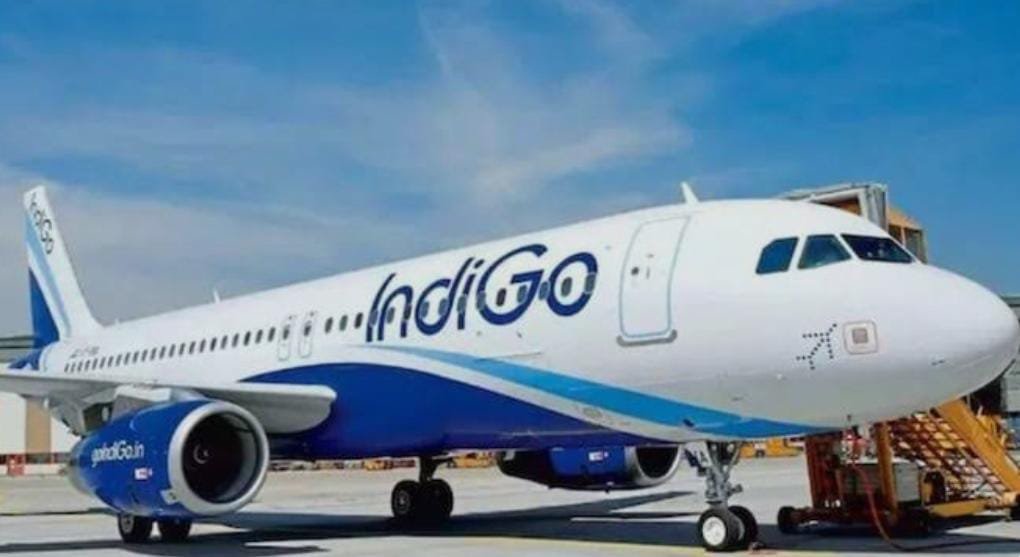
India’s aviation sector is facing one of its most severe breakdowns in recent years as IndiGo, the country’s largest airline by market share, continues to cancel hundreds of flights for the fourth consecutive day. What began as scattered delays has now escalated into a full-blown operational crisis, affecting thousands of passengers across major airports including Delhi, Mumbai, Bengaluru, Hyderabad and Chennai.
The crisis, triggered predominantly by a massive pilot shortage and rostering failures, has left airports overcrowded, passengers stranded for hours, and ticket prices surging on alternate airlines. As the situation worsens, the Directorate General of Civil Aviation (DGCA) has stepped in with corrective measures, even rolling back certain recently introduced duty-time rules in an attempt to stabilize operations.
A Sudden Meltdown in Operations
The chaos began earlier this week when IndiGo suddenly cancelled a large portion of its flight schedule due to a sharp drop in pilot availability. Over 450 to 750 flights were cancelled nationwide over multiple days, marking one of the biggest disruptions in recent memory.
Delhi Airport has been the worst affected, with the airport authority announcing a temporary halt on all IndiGo domestic departures until midnight on Thursday. Mumbai, Bengaluru, and Hyderabad airports have followed with similar travel advisories, urging passengers to check their flight status before heading to the airport.
IndiGo holds nearly 60% market share in India’s domestic aviation space, and a disruption of this magnitude has therefore had a cascading effect on the entire sector. Several flights on other airlines have become overbooked or prohibitively expensive as passengers rush to reschedule.
Why the Crisis Happened
At the heart of the issue is a severe pilot shortage, aggravated by the implementation of new Flight Duty Time Limitations (FDTL) rules introduced to manage pilot fatigue. These regulations mandate longer rest periods, stricter night-time flying limits, and more structured weekly off schedules.
While the rules were introduced to enhance air safety, IndiGo reportedly failed to restructure its crew rosters in time to accommodate the new requirements. The result was a sudden imbalance between scheduled flights and available pilots.
Aviation experts believe that other contributing factors include:
- Poor scheduling and rostering gaps
- Increased winter travel demand
- Limited buffer in crew planning
- High dependence on narrow-body pilots for short-haul routes
IndiGo has acknowledged the issue in a statement, noting that “operational challenges due to crew rostering adjustments” have led to significant delays and cancellations.
Authorities Step In: Partial Rollback of Rules, High-Level Review
The DGCA and Ministry of Civil Aviation have taken serious note of the situation. In an unusual step, the DGCA has temporarily relaxed parts of the new fatigue-management rules—specifically those related to night-time flying and weekly rest—but only for IndiGo.
This has sparked industry debate, as safety experts argue that rolling back fatigue-limit rules could compromise pilot alertness, while government officials maintain that the move is temporary and necessary to prevent nationwide travel paralysis.
A high-level inquiry has been launched into IndiGo’s operations, focusing on:
- Crew management systems
- Flight planning protocols
- Communication mechanisms with passengers
- Contingency preparedness
The regulator has stated that the airline must submit a revised operational plan, and that normal operations are expected to be fully restored by early February 2026.
Passenger Outrage and Airport Chaos
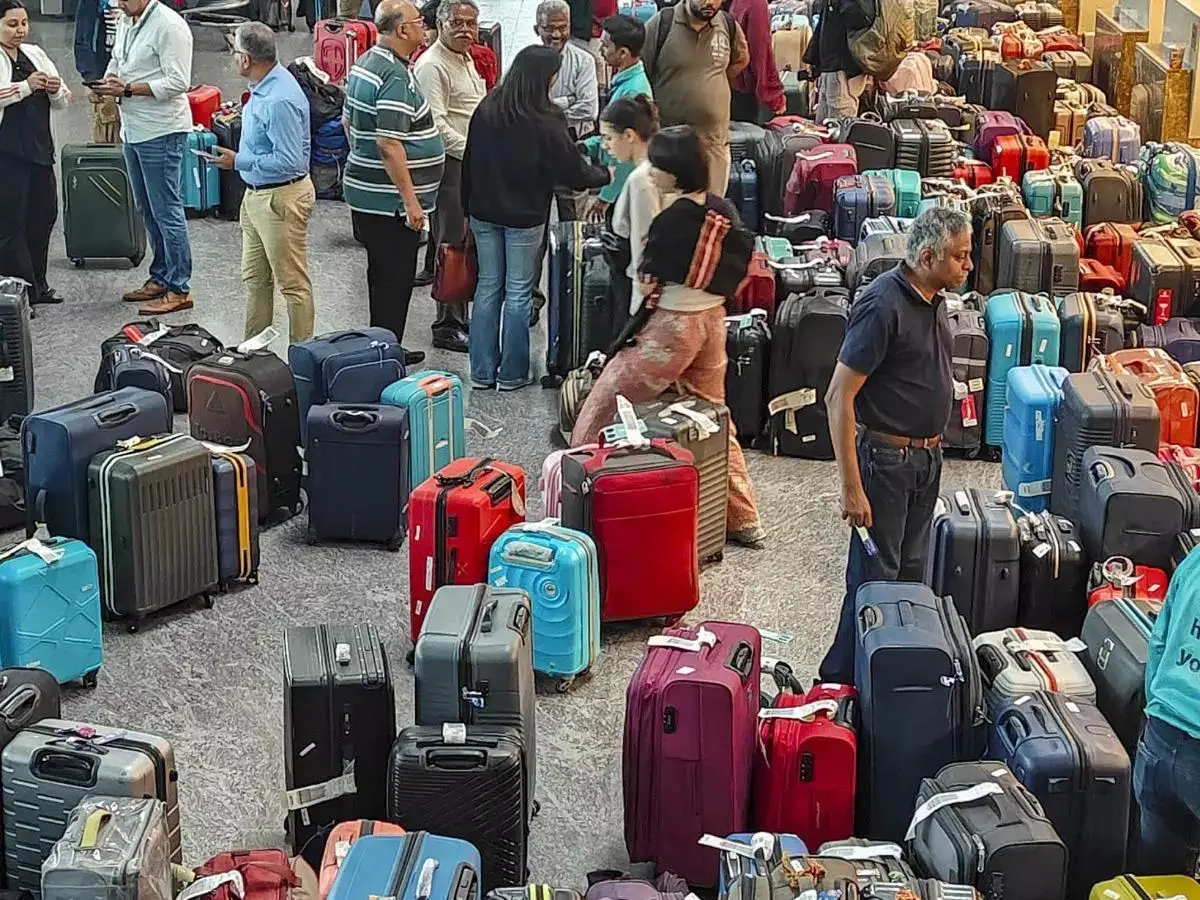
Across airports, scenes of frustration and exhaustion have become common. Passengers have taken to social media to share their ordeal—missed weddings, business meetings, funerals, and international connections.
At several airports, IndiGo’s on-time performance dropped below 10%, leading to long queues for refunds, rebooking, and customer service. In some cases, passengers reported receiving updates mere minutes before departure time, leaving them stranded with little time to make alternative plans.
An emotional video that circulated online showed a passenger breaking down after missing a final goodbye to a relative due to repeated flight cancellations. In another instance, an Army personnel reported arriving late to duty because his flight was cancelled twice in 24 hours.
IndiGo, for its part, has offered hotel stays, meal vouchers, and full refunds where applicable, but the sheer scale of the disruption has overwhelmed support teams.
Impact on Airfares and Other Airlines
With IndiGo operating at severely reduced capacity, airfares on alternate airlines such as Vistara, Akasa Air, and Air India have surged sharply. On busy routes like Delhi–Mumbai or Bengaluru–Delhi, ticket prices jumped by 30% to 70%, and in some last-minute bookings, even doubled.
This has renewed the long-standing debate about India’s airline dependency on a single dominant carrier and the urgent need for competitive balance in the market.
What Passengers Should Do Now
Experts recommend that travellers with upcoming IndiGo flights take the following precautions:
- Check flight status repeatedly, especially in the 6 hours before departure.
- Keep alternate travel options (other airlines or trains) in mind.
- Maintain digital and physical copies of boarding passes and receipts for refunds.
- Arrive early at airports if rebooking assistance is needed.
- Consider postponing non-urgent travel until operations stabilize.
The Road Ahead
While authorities and the airline are working to resolve the crisis, the situation remains fluid. Operational stability is expected to improve gradually over the next few weeks, but intermittent cancellations may continue.
For now, the IndiGo meltdown has exposed vulnerabilities in India’s aviation management—from crew planning to regulatory rollout—and highlighted the need for more resilient systems in an industry that millions rely on daily.
Resources: The Indian Express, The Times of India
India Unveils a Game-Changing Airbase in Ladakh: A Strategic Leap for National Security – Hindvaacha
Grand Parade Marks Sardar Vallabhbhai Patel’s 150th Birth Anniversary at Ekta Nagar – Hindvaacha
Indian Space Research Organisation (ISRO)’s Heavy-Lift Leap – Hindvaacha