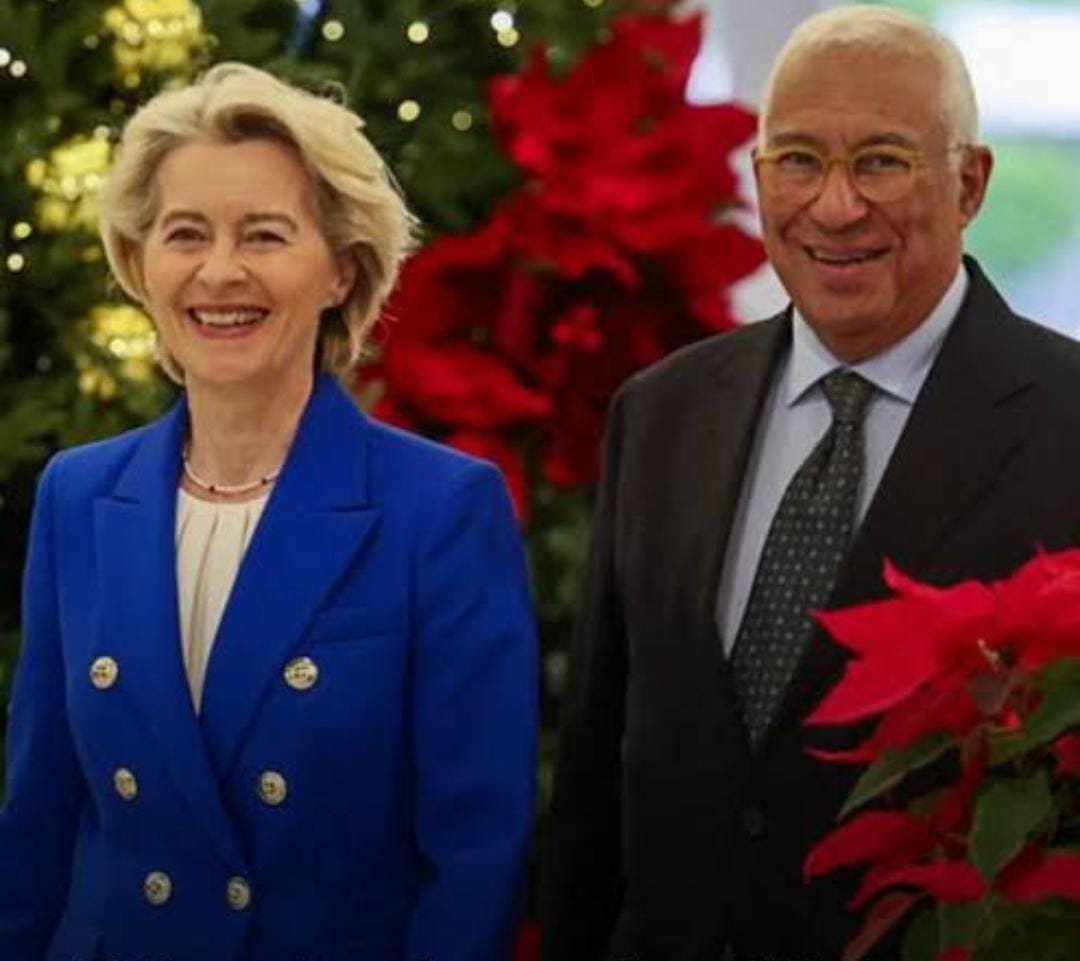
Republic Day 2026: EU Leaders to be Chief Guests in India
New Delhi, January 19, 2026 — India is set to celebrate its 77th Republic Day with one of the most historic and strategically significant chief guest line-ups in its modern diplomatic history. For the first time, two top leaders from the European Union (EU) — President of the European Council António Luís Santos da Costa and President of the European Commission Ursula von der Leyen — will attend the Republic Day parade on January 26, 2026, in New Delhi, as Chief Guests.
This landmark decision goes beyond ceremonial protocol. The joint presence of EU leadership in India highlights a deepening partnership between India and the EU, encompassing diplomatic, economic, trade, security, and multilateral cooperation.
A Historic First: EU Leadership as Republic Day 2026 Chief Guests
Traditionally, India has invited heads of state from friendly nations as chief guests to mark its Republic Day celebrations — a symbolic expression of bilateral friendship and strategic alignment. Over the decades, leaders from countries such as the United States, France, Russia, and Indonesia have graced India’s Republic Day parade. However, the invitation to top EU leadership as collective chief guests represents a groundbreaking shift in diplomatic engagement.
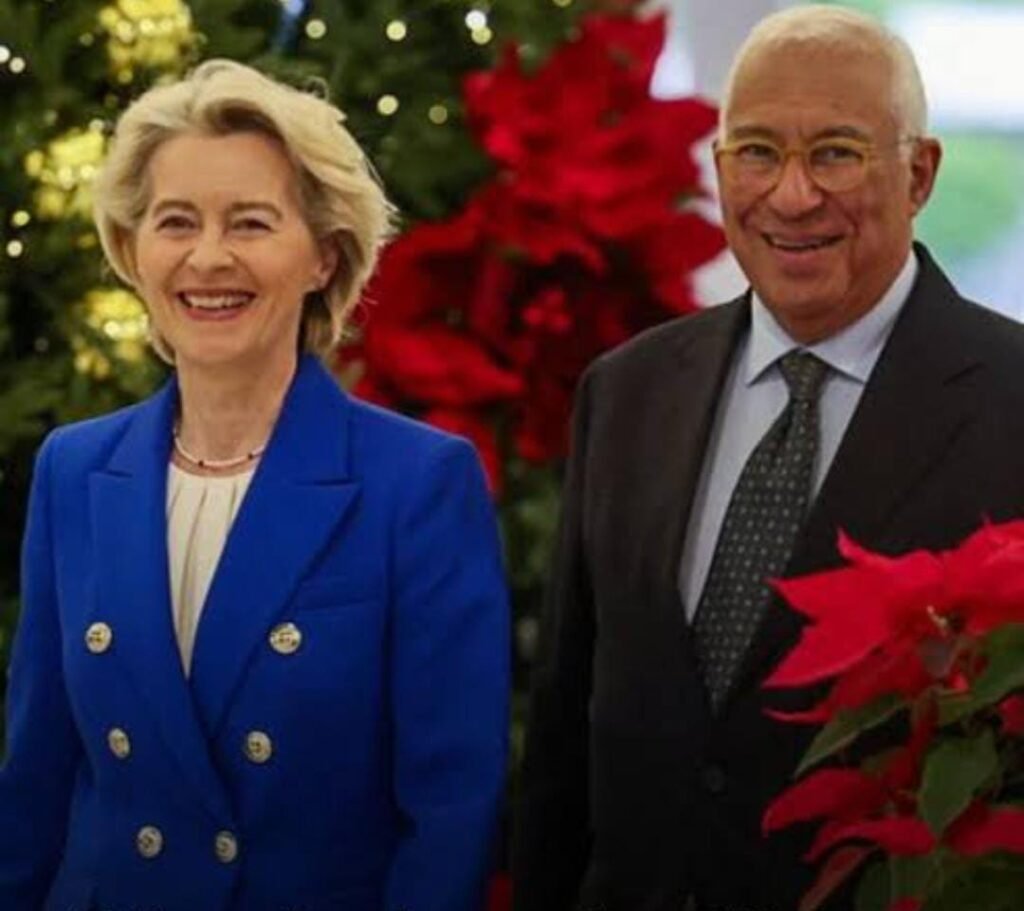
Instead of a single leader from a country, India has chosen the two most senior elected officials of the European Union — António Costa and Ursula von der Leyen — to jointly represent the EU at the Republic Day event. This underscores the evolving nature of India’s ties with the EU as not just bilateral relations with individual member states, but as a strategic partnership with a major multilateral bloc.
Who Are the Chief Guests?
António Costa
- Title: President of the European Council
- Role: Chairs EU summit meetings and represents the EU at international forums.
- Significance: As the political face of the EU’s collective leadership, his presence underscores India’s recognition of the EU as a unified global actor.
Ursula von der Leyen
- Title: President of the European Commission
- Role: Heads the EU’s executive branch, steering economic policy, trade negotiations, technology and industry partnerships.
- Significance: Her inclusion reflects the importance of economic and trade ties in India-EU relations.
Together, these leaders embody both the political and economic strength of the EU, making their joint visit to India one of the most consequential diplomatic engagements in recent years.
Strategic Timing: India-EU Summit & Free Trade Momentum
The visit of Costa and von der Leyen is designed to coincide with the 16th India-EU Summit, scheduled for January 27, 2026, immediately following Republic Day. The summit will include high-level discussions between Indian Prime Minister Narendra Modi and EU leadership, aiming to both celebrate the growing partnership and accelerate progress on a long-pending India-EU Free Trade Agreement (FTA).
Free Trade Agreement (FTA) on the Horizon
India and the EU have been negotiating a comprehensive trade agreement for nearly two decades. Recent reports indicate the talks have gained momentum, with both sides working closely to address key sticking points in sectors such as automobiles, steel, and regulatory standards.
The Republic Day 2026 visit and the summit present a prime opportunity to formalize or announce significant breakthroughs in the FTA negotiations, potentially reshaping trade relations between India’s vast 1.4 billion-strong economy and the EU’s single market of over 440 million consumers.
Economic and Strategic Cooperation Beyond Trade
In addition to trade, discussions during the India-EU Summit are expected to focus on:
- Clean and renewable energy partnerships
- Defence and security cooperation
- Digital technologies and Artificial Intelligence collaborations
- Climate and sustainability initiatives
These areas underscore the wide spectrum of mutual interests driving the India-EU strategic agenda.
Symbolic Significance: A New Era in Diplomatic Engagement
Inviting EU leaders as chief guests is symbolic of India’s desire to strengthen ties not just with individual nations, but with strategic multilateral partners. It conveys several important diplomatic messages:
1. A Balanced Foreign Policy
India’s foreign policy traditionally emphasizes strategic autonomy and engagement with multiple global powers. Hosting EU leaders alongside other global partners demonstrates India’s balanced approach to geopolitics, seeking cooperation beyond traditional alliances.
2. Elevating India-EU Relations
By choosing the EU’s top leadership as chief guests, India signals the priority it places on EU relations — a partner in trade, technology, security, and global governance. This move elevates the India-EU relationship to a new level of strategic importance.
3. A Message to the World
The joint presence of Costa and von der Leyen during Republic Day 2026 festivities — a celebration of Indian constitutional democracy — reflects shared democratic values, commitment to rule-based order, and cooperation on global challenges such as climate change and economic recovery.
Preparations and Parade Highlights
Preparations for the Republic Day 2026 parade are in full swing in New Delhi, with rehearsals along Kartavya Path and key security arrangements underway. The parade — a tapestry of India’s military prowess, cultural diversity, and historical pride — will feature:
- Contingents from Indian Armed Forces and Central Armed Police Forces
- Cultural tableaux showcasing Indian heritage
- Band performances themed around national pride
- Special displays commemorating milestones such as “150 Years of Vande Mataram”
The presence of foreign dignitaries, including the EU leaders as chief guests, adds an international dimension to the celebrations, emphasizing India’s global standing and diplomatic outreach.
National and Global Reactions
The announcement of EU leaders as Republic Day chief guests has drawn reactions across diplomatic, business, and political circles:
- Government officials have highlighted the strategic significance of the invitation, linking it to enhanced trade and diplomatic cooperation.
- Trade and industry representatives view this as a positive signal for deeper economic integration between India and the EU.
- Analysts see this as part of India’s broader foreign policy push to diversify and strengthen partnerships amid shifting global power dynamics.
Conclusion: A Defining Moment in India’s Diplomatic Calendar
The Republic Day 2026 celebrations — featuring the President of the European Council and the President of the European Commission as Chief Guests — mark a historic milestone in India’s diplomatic journey. It reflects a strategic partnership that transcends ceremonial protocol and opens new avenues for cooperation in trade, security, technology and global governance.
With the India-EU Summit immediately following the Republic Day events, this period promises to be a watershed in India-EU relations, potentially culminating in transformative agreements that could influence global economic and strategic landscapes for years to come.
As India prepares to host these eminent global leaders, the nation stands poised at the confluence of tradition, national pride, and forward-looking international engagement — embodying the spirit of ‘Vasudhaiva Kutumbakam’ (the world is one family), while reinforcing its place on the global stage.
Read More Articles HERE
BSF 126 Battalion Celebrates Raising Day with Grand Cultural Programs and High Morale – Hindvaacha
PM Modi Gets Ethiopia’s Highest Civilian Honour – Hindvaacha
United States–Venezuela Tensions Escalate After Seizure of Sanctioned Oil Tanker – Hindvaacha