Arunachal Woman Held in Shanghai: India Says ‘No Denial Can Change Reality’
On November 25–26, 2025, tension flared between India and China after an Arunachal woman was reportedly detained during a transit at Shanghai Pudong International Airport — prompting a strong diplomatic response from New Delhi. The Times of India+2Reuters+2
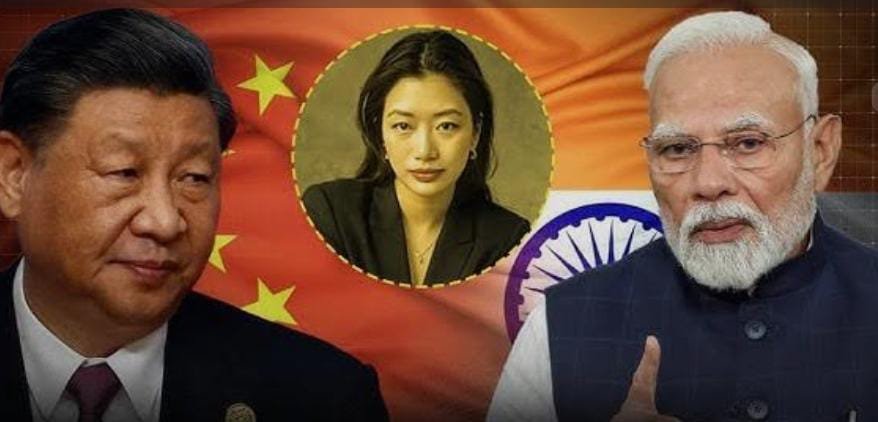
The incident: what happened
The Arunachal woman, identified as Pema Wangjom Thongdok — a UK-based Indian citizen whose birthplace is listed as Arunachal Pradesh — was travelling from London to Japan with a layover at Shanghai on November 21. mint+2Reuters+2
According to her account, Chinese immigration officials declared her passport “invalid” solely because it listed Arunachal Pradesh as her place of birth. The Arunachal woman says her planned three-hour layover turned into an 18-hour ordeal; she was denied onward travel, held in transit, and made to miss her connecting flight. mint+2India Today NE+2
Thongdok alleged that officials told her: “Arunachal is not part of India,” and even suggested she apply for a Chinese passport instead of recognising her Indian nationality. She described her treatment as humiliating and discriminatory. mint+2Hindustan Times+2
Eventually, with intervention from Indian diplomatic missions, she was allowed to leave — but not before experiencing what she described as a deeply distressing and insulting ordeal. mint+2India Today NE+2
India’s official response
The incident was swiftly taken up by the Ministry of External Affairs (MEA) in New Delhi. At a press briefing, spokesperson Randhir Jaiswal said India had lodged a “strong demarche” with China — both in Beijing and in Delhi — condemning the treatment of the woman. India Today+2mint+2
The MEA called China’s actions “unhelpful” to ongoing efforts to normalise ties, warning that such “arbitrary action” undermines trust between the two nations. India Today+2mint+2
Most notably, Jaiswal reaffirmed India’s stance on sovereignty: “Arunachal Pradesh is an integral and inalienable part of India, and this is a self-evident fact. No amount of denial by the Chinese side is going to change this indisputable reality.” The Indian Express+3The Times of India+3www.ndtv.com+3
Indian officials also said China has not provided any credible explanation for its actions. According to them, detaining a passenger with valid travel documents — merely for being from Arunachal Pradesh — violates international aviation norms, as well as China’s own visa-free transit regulations. mint+2India Today NE+2
Beijing’s position
On its part, the Chinese Ministry of Foreign Affairs rejected the account of harassment or detention. Its spokesperson claimed that border inspection authorities followed legal procedures, protected the traveller’s lawful rights, and did not impose any compulsory measures. According to them, the transit was handled “impartially and non-abusively,” and the traveler was provided with rest and meals. The Times of India+2The Times of India+2
However, China’s broader — and long-standing — claim over Arunachal Pradesh (which it refers to as “Zangnan” or “Southern Tibet”) remains a core issue behind the dispute. The Times of India+2mint+2
Broader implications: beyond one woman’s ordeal
The incident has struck a chord across India — especially in Arunachal Pradesh — because it touches upon deeply held sentiments about sovereignty, national dignity, and the status of a territory that both countries dispute.
For New Delhi, this is not just about one Indian citizen’s treatment but a reaffirmation of territorial integrity. The MEA’s unequivocal stance signals that India is unlikely to ignore or let pass such incidents lightly. Hindustan Times+2The Times of India+2
For bilateral relations between India and China — already strained over border disputes, earlier clashes, and regional competition — this episode adds yet another layer of mistrust and diplomatic friction. Many analysts believe it could slow down any thaw in ties, especially when it involves such sensitive sovereignty issues.
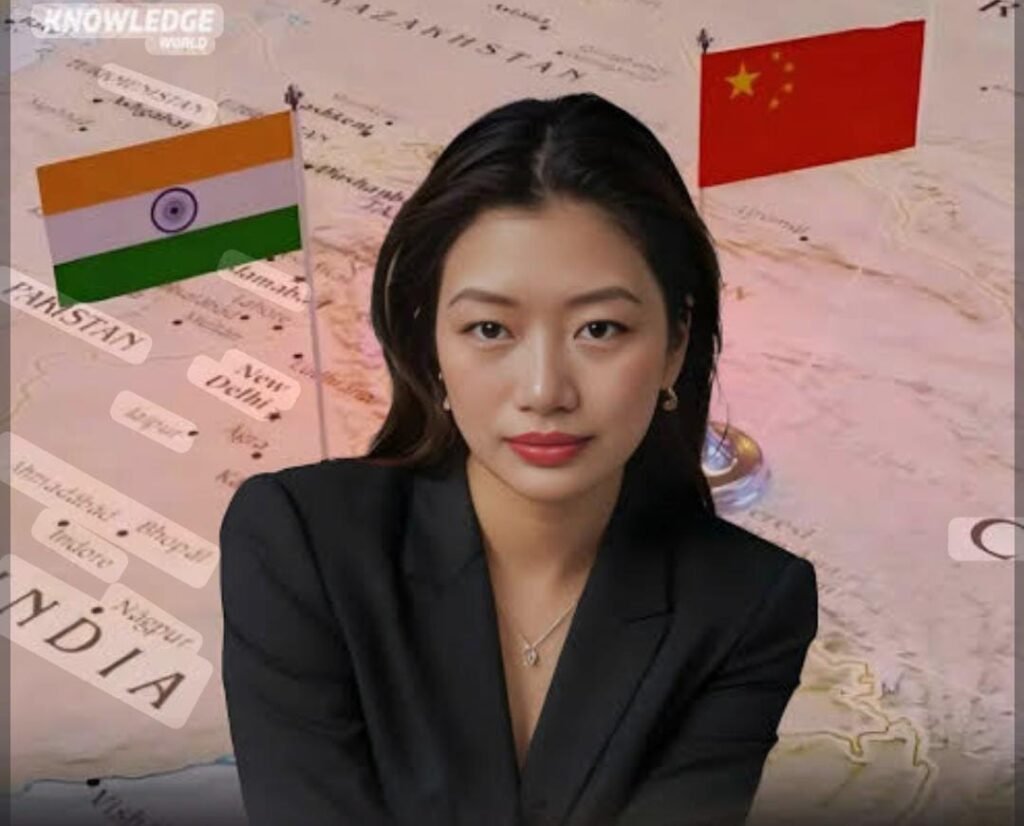
The human dimension: voice of the detained traveller
For Thongdok — who has lived for years abroad but identifies with her roots — the experience has been deeply personal. Her case has sparked outrage, especially among those who view it as racially and politically motivated humiliation directed at someone merely for belonging to Arunachal Pradesh. mint+2Hindustan Times+2
By making her ordeal public and seeking governmental intervention, she has forced the issue into the spotlight: not just as a diplomatic dispute but also as a matter of dignity, identity, and respect.
What this means going forward
- Diplomatic strain: This incident is likely to further strain diplomatic engagement between India and China. Unless Beijing issues a credible explanation or apology, New Delhi may continue to treat the matter as a serious breach of norms.
- International norms under spotlight: India’s reference to violations of international air-travel norms and visa-free transit rules puts pressure on China to clarify its procedures or risk global scrutiny.
- Domestic political resonance: For many in India—especially in the Northeast—this is not just foreign policy, but a reaffirmation of identity and rights. The case could influence political discourse over sovereignty and nationality issues.
- Ripple effects on citizens’ transit and travel: The event may sow fear among Indian citizens from border states travelling through China (or via Chinese transit). It may also lead to advisories from the Indian government for such travellers.
The detention of a citizen from Arunachal Pradesh at Shanghai airport — followed by the categorical denials from Beijing and the equally firm rebuttal from New Delhi — underscores how fragile and contested the issue of territorial sovereignty remains between the two countries. What might have seemed a routine travel layover has now become a flashpoint with serious diplomatic and human-rights dimensions.
United States Plan to End Ukraine War: Key Concessions, Big Risks – Hindvaacha
How Sovereign Wealth Funds Are Reshaping the World Economy: A Global Revolution – Hindvaacha
1 Comment