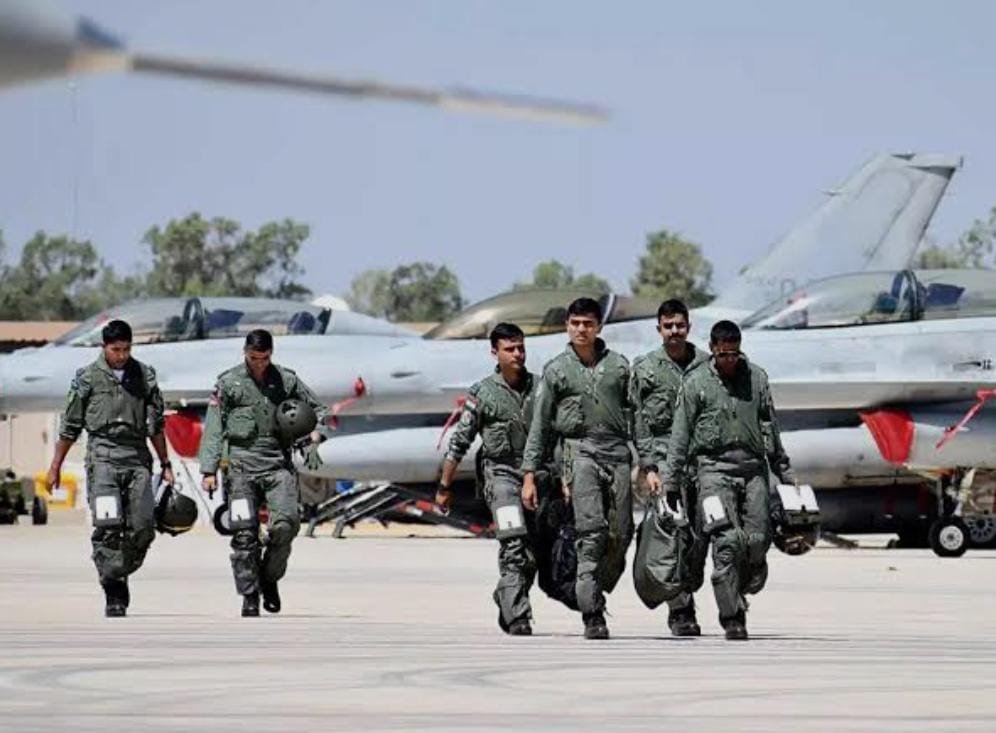
India Unveils a Game-Changing Airbase in Ladakh: A Strategic Leap for National Security
India inaugurates its new high-altitude Nyoma airbase in Ladakh, boosting defence capability near the China border with advanced runway and fighter operations.
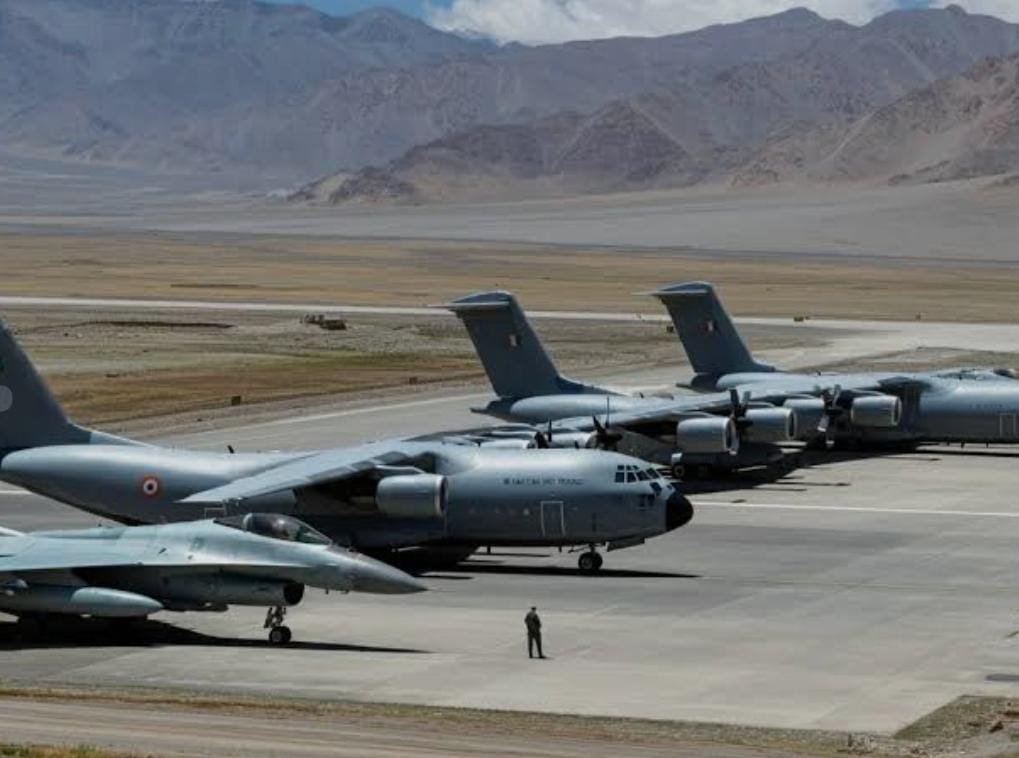
In a landmark moment for India’s defence preparedness, the nation has officially inaugurated its new and highly advanced Mudh-Nyoma Air Force Station in Eastern Ladakh. Set at a staggering altitude of 13,700 feet, the airbase is not only one of the highest in the world but also one of the most strategically significant installations India has ever built near the Line of Actual Control (LAC). This development marks a major shift in India’s military posture as tensions with China remain sensitive along the Himalayan frontier.
A Milestone Moment
On 12 November 2025, Air Chief Marshal A.P. Singh scripted history by landing a C-130J Super Hercules aircraft on the newly constructed runway at Nyoma, officially operationalising the base. The 2.7-km reinforced runway was built by India’s Border Roads Organisation (BRO), known for executing some of the toughest infrastructure projects in the world.
The inauguration not only represents an engineering marvel at extreme altitude but also sends a strong strategic message: India is committed to strengthening its defensive and offensive capabilities in the high-altitude theatre.
Why Nyoma Airbase Matters
Located just 23–30 km from the LAC, the Nyoma airbase holds immense strategic weight. It is India’s closest major air facility to the China border—an advantage that dramatically enhances the Indian Air Force’s response time and situational control over Eastern Ladakh.
The airbase will support a wide variety of aircraft, including:
- Fighter jets (such as SU-30 MKI and possibly Rafale deployment in future)
- Transport aircraft
- Attack and transport helicopters
Earlier, Nyoma served only as an Advanced Landing Ground (ALG), used primarily for small operations involving helicopters and lightweight aircraft. The transformation into a full-fledged fighter-capable airbase elevates India’s air dominance in the region to an entirely new level.
What’s New at the Airbase?
The infrastructure at Nyoma has been completely revamped:
- A 2.7-km paved runway capable of supporting heavy aircraft
- Modern air traffic control systems
- Aircraft shelters and hangars
- Hard-standing surfaces for increased aircraft mobility
- Operational facilities to support rapid deployment
Built at a cost of around ₹218 crore, the project showcases India’s determination to upgrade front-line military capabilities despite harsh weather, remoteness, and logistical challenges.
A Strategic Response to China
China has been aggressively expanding its airbases and road infrastructure on its side of the border, particularly in Aksai Chin. India’s Nyoma airbase is a calculated counter-move that strengthens deterrence and reduces dependence on far-off airbases like Leh and Thoise.
Within minutes, fighter jets from Nyoma can reach sensitive zones such as:
- Pangong Lake
- Finger areas
- Depsang Plains
- Chumar
- Demchok
This significantly improves India’s operational flexibility and ensures faster troop support during military or humanitarian operations.
Engineering Triumph at 13,700 Feet
Constructing an airbase at such a height is no small feat. The BRO had to plan around:
- Extremely low oxygen levels
- Sub-zero temperatures
- Short working seasons
- Unpredictable terrain
- Need for fast construction in a sensitive military zone
Despite the challenges, the project was completed with precision and ahead of schedule, showcasing India’s growing capability in high-altitude infrastructure management.
Implications for National Security
The Nyoma airbase will:
- Strengthen air power projection against any hostile activity across the LAC.
- Enhance logistics and troop mobility, especially in winters.
- Improve surveillance and reconnaissance through drones, helicopters, and aircraft.
- Boost morale of soldiers stationed in some of the world’s harshest terrains.
- Deter Chinese aggression, given the proximity of the base and rapid response capability.
In simple terms, Nyoma shifts the balance of power in the region in India’s favour.
A Message to the World
The inauguration of the Nyoma airbase is not just a military achievement—it is a geopolitical signal. As global observers monitor the growing India-China friction, the airbase highlights India’s preparedness and refusal to remain reactive.
It ensures the Indian Air Force can operate faster, farther, and with greater firepower in one of the most challenging military zones on Earth.
Conclusion
The new Nyoma airbase stands as a symbol of India’s renewed defence vision—a vision that combines strategic foresight, technological strength, and infrastructural resilience. As India continues to modernize its armed forces and fortify its borders, this high-altitude airbase will serve as a cornerstone of national security.
For India, Nyoma is not just an airbase.
It is a statement of strength.
It is a pledge of protection.
And above all, it is a guardian of peace in the Himalayas.
Resource:
1 Comment