
Abhinav Bindra Questions Priorities, Says He Is Pained by Focus on Lionel Messi’s High-Cost Tour
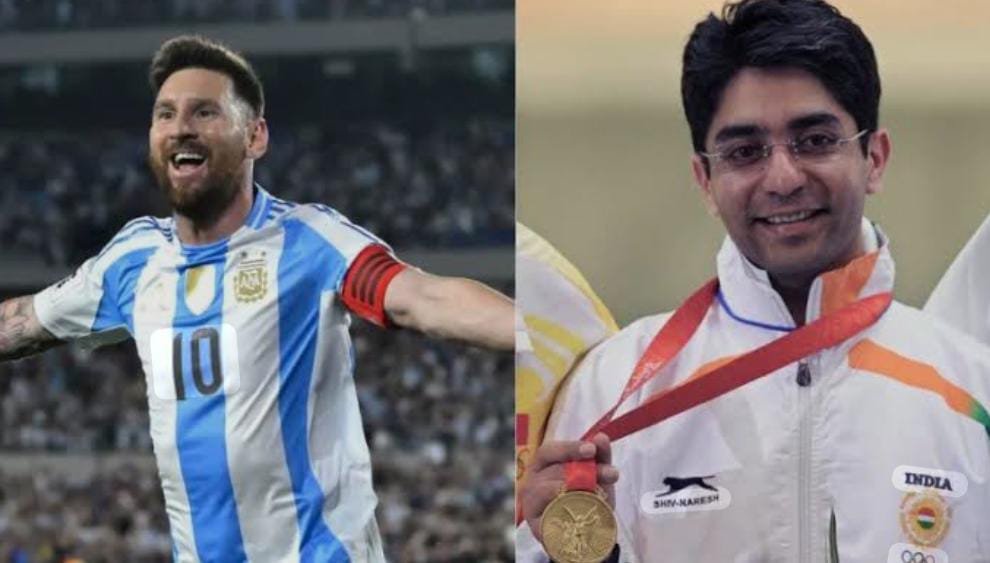
India’s first individual Olympic gold medallist Abhinav Bindra has sparked an important debate within the country’s sporting ecosystem by questioning the overwhelming attention being given to football legend Lionel Messi’s high-cost tour. Bindra stated that while global sports icons deserve respect and admiration, the excessive focus on the financial and promotional aspects of such visits highlights a troubling imbalance in India’s sports priorities.
Bindra’s comments come at a time when India is attempting to position itself as a rising sporting nation, with growing ambitions in Olympic disciplines, grassroots development, and athlete welfare. His remarks have resonated strongly across the sports community, prompting discussions on how resources and public attention are allocated.
Concern Over Celebrity-Driven Sports Culture
Speaking candidly, Abhinav Bindra said he was “pained” to see how much emphasis was placed on the cost and commercial scale of Lionel Messi’s visit, rather than on building sustainable sporting infrastructure for Indian athletes. According to Bindra, this trend reflects a deeper issue in how sports is viewed—as entertainment first and development second.
He emphasized that while star athletes like Messi inspire millions worldwide, their short-term visits cannot replace the long-term investment required to nurture domestic talent. Bindra made it clear that his concern was not directed at Messi personally, but at the system that prioritizes spectacle over substance.
The Cost Debate and Its Implications
Lionel Messi’s tour generated massive excitement among fans, sponsors, and event organizers, with widespread discussions around its high cost and commercial value. However, this financial focus has drawn criticism from former athletes and experts who believe such spending highlights the uneven distribution of resources within Indian sports.
Bindra questioned whether similar enthusiasm and funding could be directed toward grassroots programs, athlete training centers, and regional competitions. He noted that many promising athletes still struggle for basic facilities, despite representing the future of Indian sports on the global stage.
A Champion’s Perspective on Sports Development
As someone who has experienced the demands of elite sport firsthand, Bindra understands the importance of structured support systems. His Olympic success was built on years of discipline, access to international coaching, sports science, and mental conditioning—resources that remain unavailable to many Indian athletes today.
Bindra pointed out that real sporting excellence is cultivated over decades through consistent policy support, not through isolated high-profile events. He argued that if India truly aims to improve its Olympic medal tally and global standing, investment must be strategic and inclusive.
Grassroots Athletes Remain Underserved
Despite recent improvements in India’s sporting performance, Bindra highlighted that grassroots athletes continue to face significant challenges. Many young players lack access to quality coaching, modern equipment, and competitive exposure. Financial insecurity often forces talented individuals to abandon their sporting dreams prematurely.
Bindra stressed that inspiration alone is not enough. Young athletes need visible pathways, scholarships, mentorship, and institutional backing to succeed. Without addressing these structural gaps, he warned, India risks losing a generation of potential champions.
Balancing Global Exposure and Domestic Growth
Bindra acknowledged that exposure to global sporting icons can play a positive role in promoting sports culture. International stars can inspire young fans and generate interest in less-popular disciplines. However, he cautioned that such exposure should complement, not replace, domestic development efforts.
He urged sports administrators and policymakers to assess whether high-cost international events align with India’s long-term sports vision. According to Bindra, the true measure of success lies in creating systems that empower Indian athletes to compete consistently at the highest level.
Public Reaction and Broader Debate
Bindra’s comments have sparked widespread reactions on social media, with many supporting his call for a more balanced approach. Sports analysts, former athletes, and fans have echoed his concerns, arguing that India must move beyond celebrity-centric narratives to focus on sustainable growth.
The debate has also drawn attention to the role of sponsors and media in shaping sports priorities. Critics argue that excessive commercialization often sidelines disciplines that do not guarantee immediate returns, despite their importance at international competitions like the Olympics.
A Wake-Up Call for Indian Sports
Abhinav Bindra’s remarks serve as a timely reminder that sports development is a long-term commitment, not a marketing exercise. As India continues to chase sporting excellence, the need for inclusive planning, athlete-centric policies, and grassroots investment has never been more urgent.
While Lionel Messi’s tour may create unforgettable moments for fans, Bindra believes the real legacy of Indian sports will be defined by how effectively the nation nurtures its own talent. His statement stands as a call to rethink priorities and build a sporting ecosystem that values effort, consistency, and opportunity over fleeting spectacle.
ICC Women’s ODI World Cup 2025: Unstoppable India Claim Maiden Championship Title – Hindvaacha
🏏 Jemimah Rodrigues Leads India to Finals After Thrilling Run Chase Against Australia – Hindvaacha