

Cyclone Ditwah — Widespread Devastation in Sri Lanka, India Braces as Landfall Nears
As Cyclone Ditwah leaves a trail of destruction across Sri Lanka, India’s southern coast is gearing up for a potentially severe hit. With the death toll in Sri Lanka mounting and relief efforts underway, authorities along the Tamil Nadu–Puducherry coast have issued red alerts, cancelled flights, closed schools and mobilised disaster response teams.
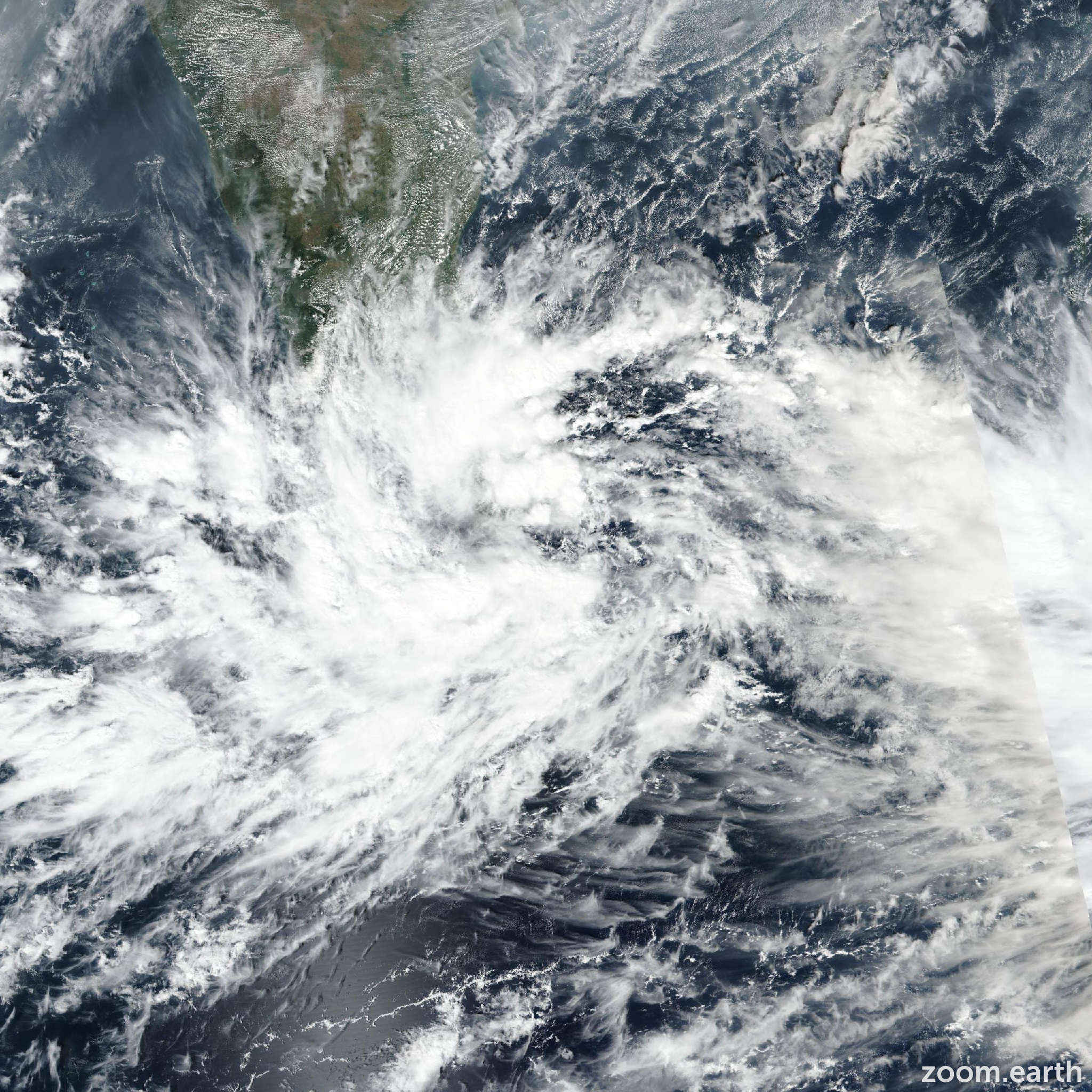
Sri Lanka reeling — death toll 153, mass displacement and worst flooding in a decade
According to the latest reports, the death toll in Sri Lanka has risen to 153 confirmed fatalities after floods and landslides triggered by Cyclone Ditwah. Alongside the confirmed deaths, 191 people remain missing and over 500,000 individuals across the island have been affected by inundation of homes, landslides and widespread destruction.
The scale of devastation has forced roughly 78,000 people to move to nearly 800 relief centres, many set up in schools and public buildings. Military, Navy and police forces have been deployed to carry out rescues, distribute food and evacuate stranded residents.
In some areas, floodwaters surged to unprecedented levels. For example, along the Kelani River near Malwana — just 20 km from the capital Colombo — entire neighbourhoods were submerged up to the rooftops. Some residents reportedly abandoned their homes in a rush, leaving behind even their pets.
This flooding — described by many as the worst in a decade — has crippled infrastructure, disrupted electricity and communications, and devastated local businesses and livelihoods. The Economic Times+1
India braces for impact — Red Alerts, cancellations and mass preparedness
As Cyclone Ditwah tracks north-northwest from Sri Lanka across the southwest Bay of Bengal, the IMD has forecast landfall near the north Tamil Nadu–Puducherry–south Andhra Pradesh coast on early morning of November 30.
Accordingly, a red alert has been issued for several coastal and delta districts — including Cuddalore, Mayiladuthurai, Villupuram and Chengalpattu in Tamil Nadu, along with Puducherry territory.
For coastal and larger metro regions — including Chennai and its suburbs — an orange alert has been declared, indicating heavy to very heavy rainfall, with potential for urban flooding, waterlogging, and gusty winds.
Meteorologists warn that as the cyclone re-enters the Bay of Bengal, it might intensify slightly before landfall. The weather could deliver extremely heavy rainfall, flash floods in low-lying or delta areas, uprooted trees, damaged hoardings, broken roofs, and destruction of kutcha/mud houses.
Given the forecast of gale-force winds (70–80 km/h, gusting up to 90 km/h) and rough seas — especially along the coast — authorities have strongly advised against fishing, sea travel or venturing near beaches. The New Indian Express+2The New Indian Express+2
Consequently, transport and travel have already been severely disrupted: Around 54 flights at Chennai Airport have been cancelled so far, and authorities have announced closure of schools and colleges in many districts for safety. www.ndtv.com+2www.ndtv.com+2

Massive relief operations under way — domestic and cross-border
As Sri Lanka grapples with its worst flooding in recent memory, the neighbouring country has responded swiftly. Under the operation named Operation Sagar Bandhu, India has dispatched relief — including tons of aid, rescue teams, and essential supplies — to help Sri Lanka cope with the crisis. The Federal+2Hindustan Times+2
Meanwhile, in Tamil Nadu and Puducherry, hundreds of National Disaster Response Force (NDRF) and State Disaster Response Force (SDRF) personnel are on standby, ready to respond to floods, landslides or storm damage. Local administrations are also advising residents to seek shelter in official relief centres if residing in low-lying, coastal or flood-prone areas. The New Indian Express+2India Today+2
What this means for people — and what to do now
- For residents of affected Indian districts: Stay alert, indoors if possible, follow local advisories. Avoid going near the coast, fishing, or venturing out in high winds. Secure property (especially loose hoardings, unsteady structures, boats). Respond quickly to evacuation orders.
- For those in Sri Lanka — and anyone with relatives or friends there: The situation remains grave. Relief operations are ongoing, but access to certain flood-hit zones may remain restricted due to submerged roads or landslides. Keep checking official channels for updates.
- Government & humanitarian organizations will likely face a large task ahead — restoring power/water, rebuilding damaged infrastructure, rehabilitating displaced people, and offering long-term support.
The long road ahead: Aftermath and recovery
With over half a million people affected in Sri Lanka and hundreds of thousands likely to face hardship, the aftermath of Cyclone Ditwah promises to be long and difficult. Rebuilding homes, restoring livelihoods — particularly in flood-hit villages near rivers or coasts — will take time. Psychological trauma, loss of property, and economic distress may linger.
On the Indian side, even if the cyclone makes landfall offshore or weakens before hitting land, heavy rainfall, storm surges, floods and coastal erosion could still wreak havoc in coastal districts — especially in low-lying delta and fishing communities.
As weather predictions remain fluid, the need for effective disaster management, rapid rescue and relief operations, and empathetic rehabilitation efforts becomes more urgent than ever.

Pingback: Gujarat ATS Busts Espionage Network; Subedar and Woman Arrested for Passing Classified Data to Pakistan - Hindvaacha