

United States Plan to End Ukraine War: Key Concessions, Big Risks
In a bold and contentious move, the United States has floated a sweeping 28-point peace proposal to Ukraine, outlining major concessions Kyiv would need to make in order to potentially end its war with Russia. According to reports, many of these terms closely mirror Moscow’s long-standing and maximalist demands — raising serious alarm in Kyiv and across Europe.
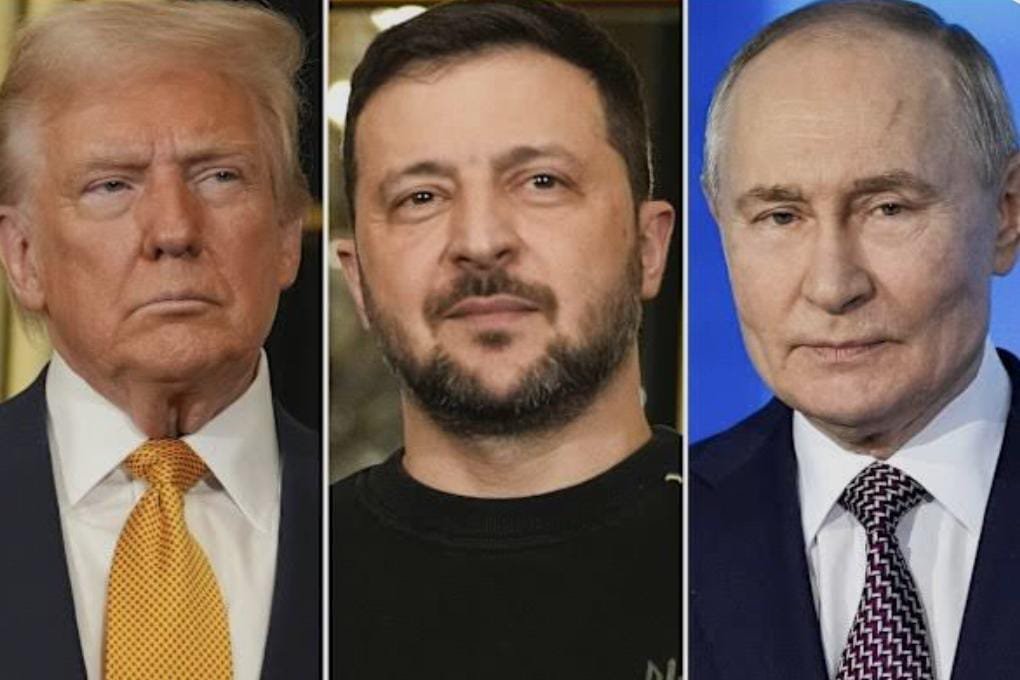
What’s in the United States Plan?
While all the details remain speculative, several media outlets citing senior sources describe a dramatic proposal that would require Ukraine to:
- Cede Territory: Ukraine would be asked to recognize Russia’s control over Crimea and other regions Russia currently occupies. Kuwait Times+2Jordan Times+2
- Halve Its Military: The deal reportedly mandates a drastic cut to Ukraine’s armed forces — potentially slashing manpower by more than half. The Guardian+2Al Jazeera+2
- Abandon Long-Range Weapons: Ukraine would have to roll back or completely discard weapon systems capable of striking deep into Russian territory. The Guardian+2The Guardian+2
- Limit Foreign Troops: The plan would ban future deployment of Western troops on Ukrainian soil, undercutting one of Kyiv’s key security assurances. The Guardian
- Cultural Concessions: The proposal reportedly calls for Russian to be recognized as an official language in Ukraine, and for formal status for the Ukrainian branch of the Russian Orthodox Church — echoing long-standing Kremlin cultural goals. Al Jazeera+1
- Security Guarantees: In return for these concessions, Ukraine might receive NATO-style security guarantees from the U.S. and Europe — though the specifics remain vague. The Guardian+1
Why Critics Call It Capitulation
Many analysts and Ukrainian officials have reacted sharply to the proposal, characterizing it as a tilted deal that favors Russia rather than securing a just peace for Ukraine.
- Sovereignty Under Threat: For Ukraine, giving up territory that’s already under occupation would be a bitter pill — some argue it amounts to surrender, not negotiation. The Guardian
- Security Risks: Cutting its military and alienating long-range capabilities could leave Ukraine vulnerable to future aggression, particularly without clear, enforceable guarantees. The Guardian
- Lack of Clarity from Russia: According to sources, it’s unclear what Russia would actually promise in return, raising fears that Kyiv could be making unilateral sacrifices. Kuwait Times
- European Concern: Some of Ukraine’s European backers are reportedly unhappy at being sidelined in this deal — especially since the outcome could reshape the continental security architecture. The Guardian
Where Did This Idea Come From?
According to multiple reports, the plan was quietly drafted in talks involving U.S. special envoy Steve Witkoff and Kirill Dmitriev — the head of Russia’s sovereign wealth fund, who has acted as a Kremlin interlocutor in past negotiations. The Guardian+1 There are claims the framework was conveyed to Ukraine during a meeting in Miami with top Zelensky administration officials. The Economic Times
U.S. Secretary of State Marco Rubio has publicly acknowledged the seriousness of the proposal, calling for both sides to embrace “difficult but necessary concessions” to achieve a lasting peace. The Guardian
The Reaction: Rejection and Alarm
Kyiv’s response has been sharply critical. Leaked reports suggest one of President Volodymyr Zelensky’s top advisors branded the plan “unconditional capitulation.” The Washington Post+1 Many in Ukraine fear that signing onto such a deal would compromise the very independence and integrity they are fighting to preserve.
European allies, too, have raised red flags. Several foreign ministers have stressed that any peace process must involve Europe meaningfully — especially if key security guarantees are on the table. The Washington Post
What’s at Stake for the United States?
For Washington, this initiative may be a bid to force a diplomatic breakthrough or at least shape what a final settlement could look like. But the timing is delicate: Zelensky’s government is under domestic pressure, and Russian forces continue to press their advantage on the battlefield.
Critics suggest that by pushing Kyiv toward compromise, the U.S. risks undermining Ukraine’s long-term defense, without securing clarity on whether Russia would uphold its end.
Is a Deal Likely?
Right now, the outlook is murky. Key unanswered questions remain:
- Will Kyiv publicly accept such far-reaching concessions?
- What exactly will Russia guarantee in return?
- Can Europe be brought into the process in a way that gives Ukraine real security?
- Even if a deal is struck, will it hold — or will it sow the seeds for renewed conflict?
For Ukraine, any agreement that involves giving up land or cutting military strength is politically fraught. For the U.S., the proposal could reflect a calculation that a risky but negotiated peace may be preferable to a protracted, open-ended war.

Pingback: Arunachal Woman Held in Shanghai: India Says ‘No Denial Can Change Reality’ - Hindvaacha
Pingback: White House Shockwave: Targeted Shooting Leaves Two Soldiers Critical - Hindvaacha