

“Nepal Strikes Bold Deal: Chinese Firm to Print Rs 1,000 Banknotes”
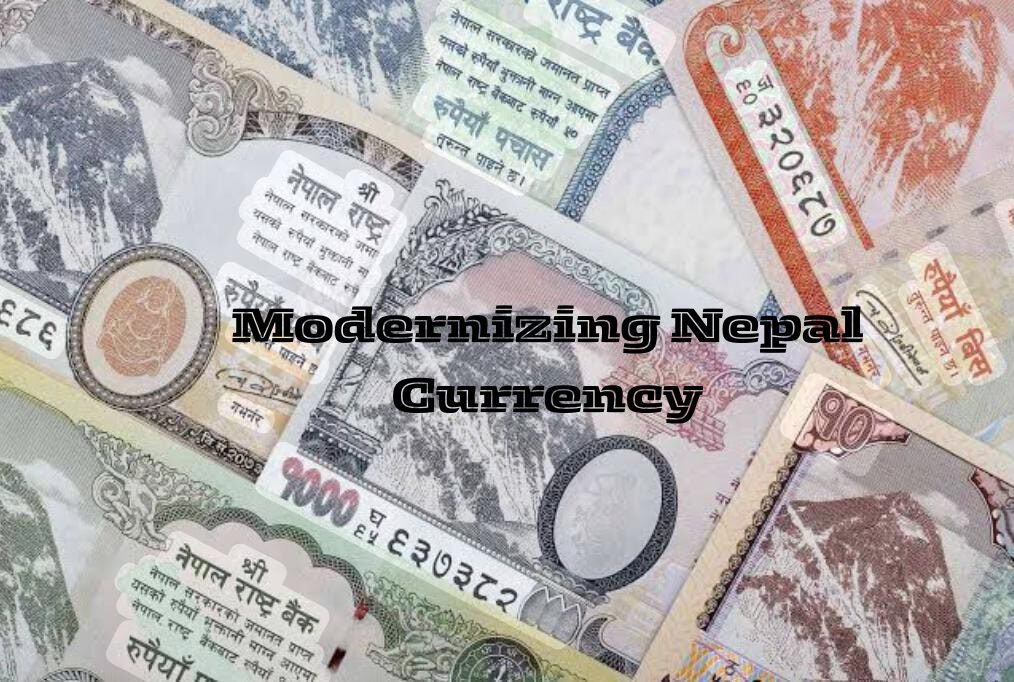
Kathmandu, November 2025: Nepal’s central bank has awarded a major contract to a Chinese Firm to produce its Rs 1,000 denomination banknotes, marking a new chapter in the nation’s financial modernization and strategic partnerships.
A Step Toward Modernizing Nepal’s Monetary System
The Nepal Rastra Bank (NRB), the country’s central banking authority, confirmed that it has signed an agreement with a Chinese Firm state-owned security printing enterprise to design and print high-quality currency notes. The move aims to upgrade Nepal’s currency security features and printing technology, aligning with global standards.
According to NRB officials, the Chinese firm will deliver millions of pieces of Rs 1,000 notes, which form the backbone of Nepal’s cash circulation. The decision was taken after an international bidding process, in which several global printing companies participated.
“The partnership will not only ensure timely delivery of secure banknotes but also help Nepal integrate advanced anti-counterfeiting features,” said a senior NRB official. “This is part of our broader initiative to strengthen monetary reliability and reduce dependency on outdated printing systems.”
Why Nepal Chose a Chinese Printing Partner
Historically, Nepal has relied on foreign companies from countries such as India, the UK, and Germany for printing its currency. However, with China’s growing influence and technological prowess in high-security printing, the decision signals Nepal’s increasing inclination toward Beijing for strategic and economic collaboration.
The Chinese company, known for its global reputation in producing secure banknotes and government documents, reportedly offered competitive pricing and advanced printing technology. This includes polymer-based security layers, holographic designs, and machine-readable features — key measures to prevent counterfeiting.
Economists believe the choice also reflects Nepal’s attempt to diversify its international partnerships and reduce dependence on any single nation for critical financial operations.
Implications for Regional Diplomacy
The contract carries diplomatic undertones beyond economic cooperation. Nepal, which sits strategically between India and China, has long balanced its foreign relations with both neighbors. The decision to entrust a Chinese firm with printing high-value banknotes may be viewed as part of a broader realignment of its strategic priorities.
Analysts in Kathmandu note that while India remains Nepal’s largest trading partner, China’s influence has steadily grown through infrastructure projects, digital cooperation, and now financial partnerships. The move comes at a time when both Asian giants are competing for influence in the Himalayan region. The Himalayan
Security and Economic Considerations
One of the central motivations behind the deal is enhancing the security features of Nepal’s currency notes. The Rs 1,000 note, being the highest denomination in circulation, is often targeted by counterfeiters. By adopting advanced Chinese technology, the NRB aims to tackle forgery and improve the lifespan of the notes.
Additionally, the partnership aligns with Nepal’s vision to digitalize and modernize its monetary infrastructure. The government has been exploring hybrid financial systems combining cash and digital payments to ensure accessibility across its diverse population, particularly in rural regions.
Experts say that while the move could strengthen Nepal’s monetary stability, it also raises questions about data and security management. Currency printing involves sensitive design and material details, and outsourcing such tasks demands strict confidentiality and oversight.
Mixed Reactions in Nepal
The decision has sparked mixed reactions among economic and political circles in Nepal. Supporters argue that engaging with China brings cost efficiency, technological advancement, and faster delivery timelines. They also emphasize that Nepal, like any sovereign state, has the right to choose partners based on competitive merit.
Critics, however, express concern about over-dependence on China, warning of potential economic leverage or geopolitical implications. Opposition leaders have called for greater transparency in the tender process, demanding that the central bank disclose the criteria used in awarding the contract.
A statement from the NRB clarified that all protocols were followed in accordance with international standards and that the selection was based solely on technical merit and financial feasibility.
Regional and Global Context
This development comes amid a growing trend of South Asian nations turning to China for technology-driven projects. From infrastructure to digital payment systems, Beijing has become a major player in shaping the region’s economic modernization.
For Nepal, the partnership may pave the way for further collaboration in digital currency systems, financial technology, and trade digitization. Reports suggest that both countries are exploring joint ventures in blockchain-based transaction monitoring and smart banking security frameworks.
Looking Ahead
As Nepal moves forward with the new printing contract, the focus will be on how efficiently the Chinese company executes the project and whether it meets Nepal’s quality and security expectations. The success of this deal could open the door to long-term financial partnerships between the two nations.
In the broader picture, this decision underscores the changing financial landscape in South Asia, where smaller economies like Nepal are leveraging competition between regional powers to secure technological and economic benefits.
Whether this collaboration strengthens Nepal’s monetary independence or deepens its reliance on foreign powers remains to be seen. For now, the move symbolizes a bold step by the Himalayan nation to modernize its currency and embrace innovation, even as it carefully navigates the tightrope of regional diplomacy.