

Afghanistan plans to build a dam on the Afghanistan’s Kunar River flowing into Pakistan. Islamabad warns of serious consequences amid rising water tensions in South Asia.
🌍 Introduction
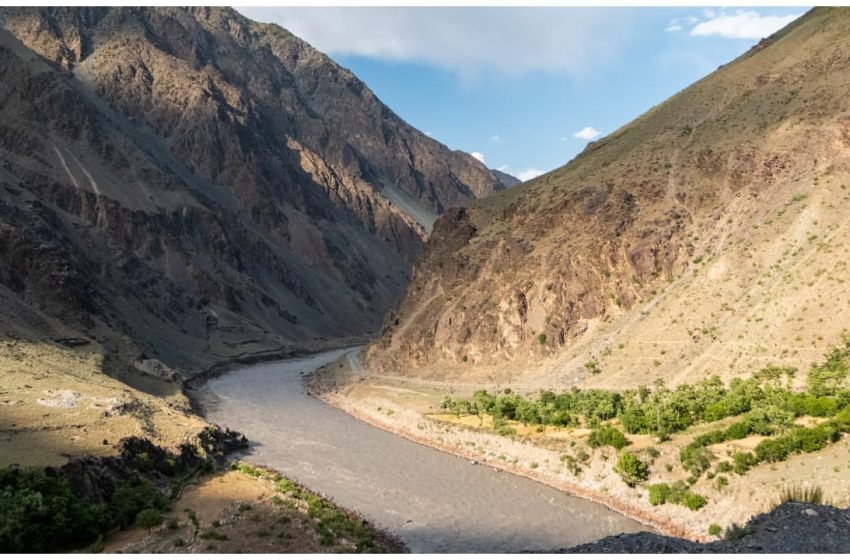
In a major geopolitical development, Afghanistan has announced plans to construct a hydroelectric dam on the Afghanistan’s Kunar River, which flows into Pakistan.
According to India Today, the Taliban-led government has directed immediate construction, signaling its intent to utilize national water resources without waiting for foreign partnerships.
This move has triggered alarm in Pakistan, which depends heavily on water from Afghan rivers for agriculture and power generation.
🏞️ The Afghanistan’s Kunar River: Lifeline of the Region
The Kunar River originates in Afghanistan’s Hindu Kush mountains, passes through Kunar and Nangarhar provinces, and enters Pakistan’s Khyber Pakhtunkhwa region, where it joins the Kabul River—a key tributary of the Indus River system.
This river sustains millions of people, providing water for irrigation, drinking, and hydropower on both sides of the border. However, without any water-sharing treaty between Afghanistan and Pakistan, disputes over its usage have long remained unresolved.
⚡ Afghanistan’s Dam Project: Self-Reliance and Strategy
As reported by Times of Oman, Afghanistan’s government has decided to start the dam project immediately, assigning it to domestic contractors rather than waiting for foreign investors.
The goals are clear:
- Generate hydropower to reduce energy dependency.
- Enhance irrigation and agriculture in eastern provinces.
- Strengthen control over natural resources for economic sovereignty.
The decision also comes at a politically sensitive time, days after border tensions and India’s move to pause parts of the Indus Waters Treaty, which may have influenced Kabul’s strategic calculus.
⚠️ Pakistan’s Strong Reaction
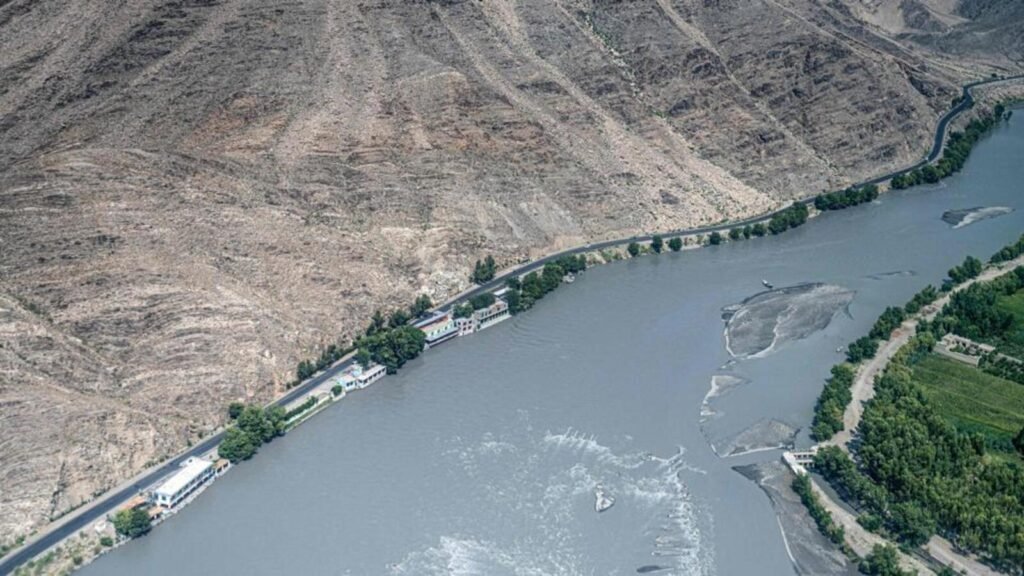
Afghanistan intends to construct a dam on the Kunar River that empties into Pakistan. As South Asian water tensions rise, Islamabad issues a warning of dire repercussions. Pakistan has called the move a “serious provocation” and warned of “grave consequences” if the project proceeds without mutual consent.
According to Bhaskar English, experts estimate that the dam could reduce Pakistan’s downstream flow by up to 17%, affecting farmlands and hydropower in Punjab and Khyber Pakhtunkhwa.
Since there is no formal water treaty between the two countries, Islamabad has little legal ground to challenge the project internationally.
🌊 Benefits for Afghanistan
- Hydropower Development: Clean, renewable electricity for domestic use.
- Agricultural Boost: Better irrigation for farmers.
- Economic Growth: Job creation and infrastructure development.
- Geopolitical Advantage: Stronger position in regional negotiations.
🚨 Risks and Challenges for Pakistan
The project poses significant risks for Pakistan and the wider region:
- Water shortages in downstream agricultural regions.
- Reduced electricity output from existing Pakistani hydro projects.
- Increased political tensions along the Afghan-Pak border.
- Environmental damage, including altered river ecosystems and sedimentation.
According to RFERL, experts doubt Afghanistan’s current technical and financial capability to build a large-scale dam, suggesting delays or complications ahead.
🌐 Regional Water Politics
Water sharing has long been a sensitive issue in South Asia. India and Pakistan operate under the Indus Waters Treaty, but Afghanistan remains outside any such arrangement.
Now, Kabul’s decision to dam the Kunar River adds another layer to regional hydro-political tension.
Analysts emphasize that a bilateral water-sharing framework is urgently needed between Afghanistan and Pakistan — to ensure sustainable water use and prevent future conflicts.
🧭 Conclusion
Afghanistan’s Kunar River dam plan could redefine regional water politics.
While it promises development and energy independence for Kabul, it also threatens to ignite a new front of water disputes in an already fragile South Asian landscape.
If diplomacy fails, the region might soon witness conflicts not over land — but over water.

Pingback: 🇦🇫 Three Afghan Cricketers Killed in Pakistani Airstrike; Afghanistan Withdraws from T20 Tri-Series - Hindvaacha
Pingback: India Blocks Chinese-Linked Satellites: A Strategic Move to Secure Space and Strengthen National Sovereignty - Hindvaacha
Pingback: India Reaffirms Support for Gaza Peace at 5th India–Bahrain Joint Commission Meeting: Dr. S. Jaishankar Calls for Lasting Regional Stability - Hindvaacha
Pingback: India, Russia Approve RELOS: Pact Paves Way for Access to Arctic and Indian Ocean Bases - Hindvaacha
Pingback: Thailand–Cambodia Tensions Escalate as Thailand Launches Air Strikes Near Disputed Border - Hindvaacha